Circular economy trade
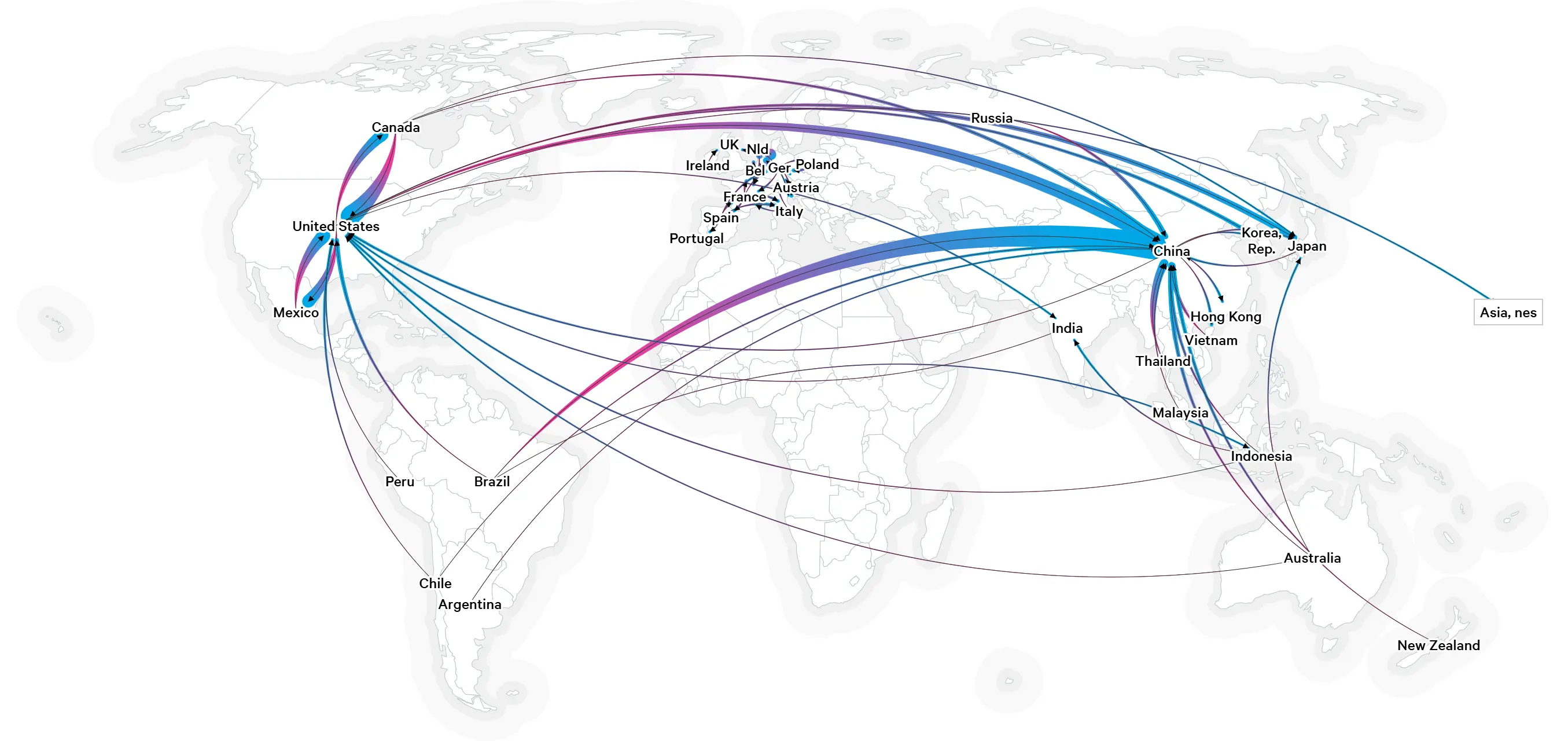
Explore the trade dynamics associated with transitioning from linear to circular economic models.
A circular economy promotes resilience by eliminating waste, reusing materials and regenerating nature. Despite major economic and environmental benefits, adoption remains challenged by resource nationalism, inequality and policy trade-offs.

A circular economy is an economic model that aims to deliver prosperity while reducing waste, pollution, and reliance on finite resources. It is based on three key principles: eliminating waste and pollution, keeping products and materials in use for as long as possible, and regenerating natural systems.
The transformative potential of the circular economy is increasingly recognised in addressing the growing environmental, economic, and social challenges facing the world. Research suggests that scaling up circular economy approaches could generate significant economic value, reduce greenhouse gas emissions and restore biodiversity.
However, progress remains limited, with circular activities accounting for only a small share of the global economy and implementation fragmented across countries. Furthermore, some current government approaches on circular economy risk encouraging counterproductive resource nationalism and zero-sum economic competition, creating inequalities and developing countries and increasing narrow-focussed circular economy strategies as an opportunity to assert control over critical raw materials. These challenges and trade-offs need to be addressed when approaches and policy to scale up inclusive circular economy transition globally.
Explore the trade dynamics associated with transitioning from linear to circular economic models.
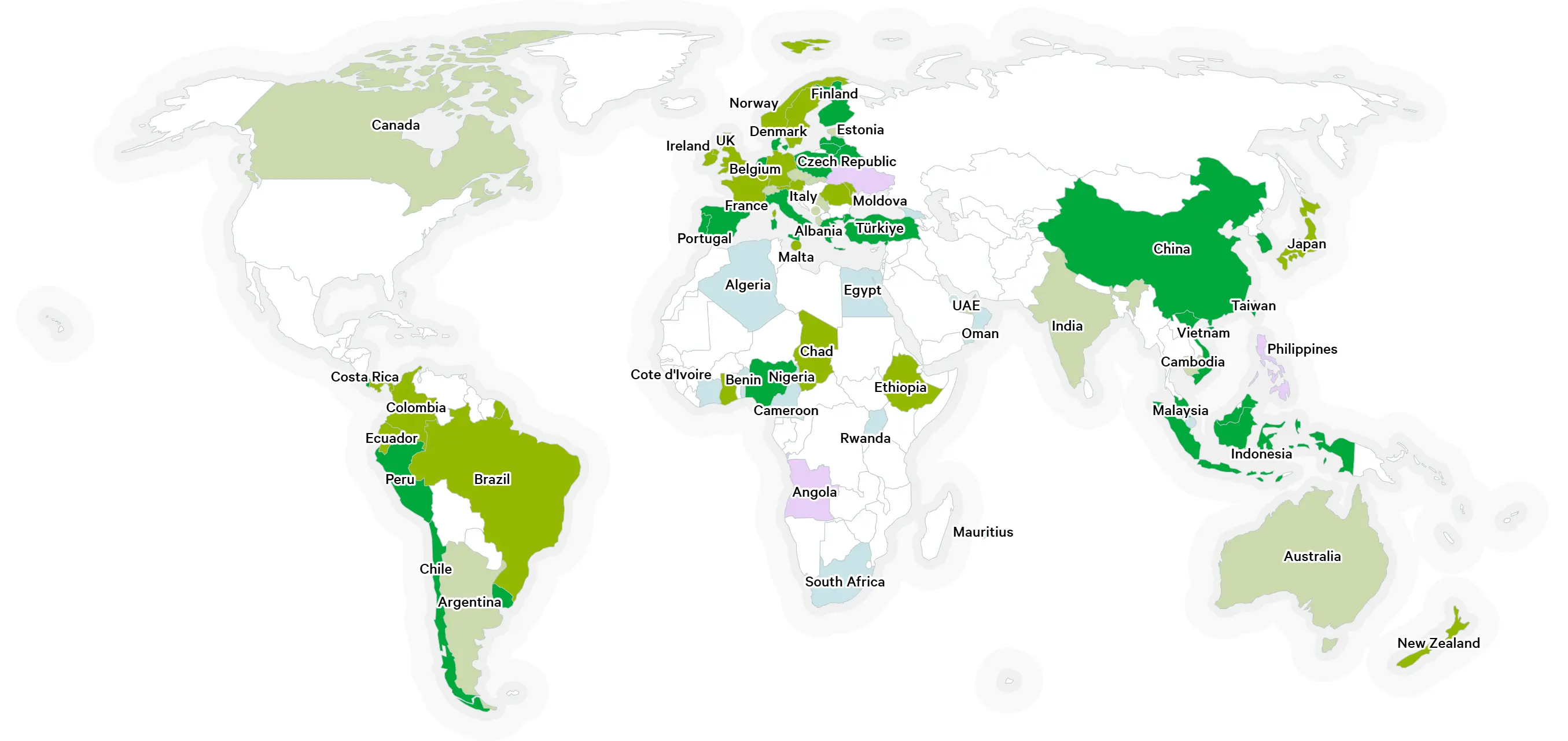
Explore circular economy policies, strategies, roadmaps and related legislation from countries around the world.