
Critical raw materials
Demand for the critical raw materials (CRMs) essential to low-carbon energy and digital technology is growing fast, driving risks to supply security, geopolitical dependency, price volatility, and environmental and social harm.

Traditionally, criticality assessments of raw materials have centred on minerals that underpin defence, telecommunications and other strategic industries. However, these materials have become increasingly important to the low-carbon transition, as low-carbon technologies, such as electric vehicles, require substantially larger quantities of CRMs than fossil fuel-based alternatives.
As demand continues to grow, securing reliable and sustainable supplies of critical raw materials has become a strategic priority. To mitigate the environmental and social risks of growing demand, circular economy approaches that reduce reliance on primary extraction and improve long-term minerals security are becoming increasingly important.
Related insights
-
Can the EU’s battery passport and China’s battery ID become interoperable?
-
Why circularity is indispensable for minerals security 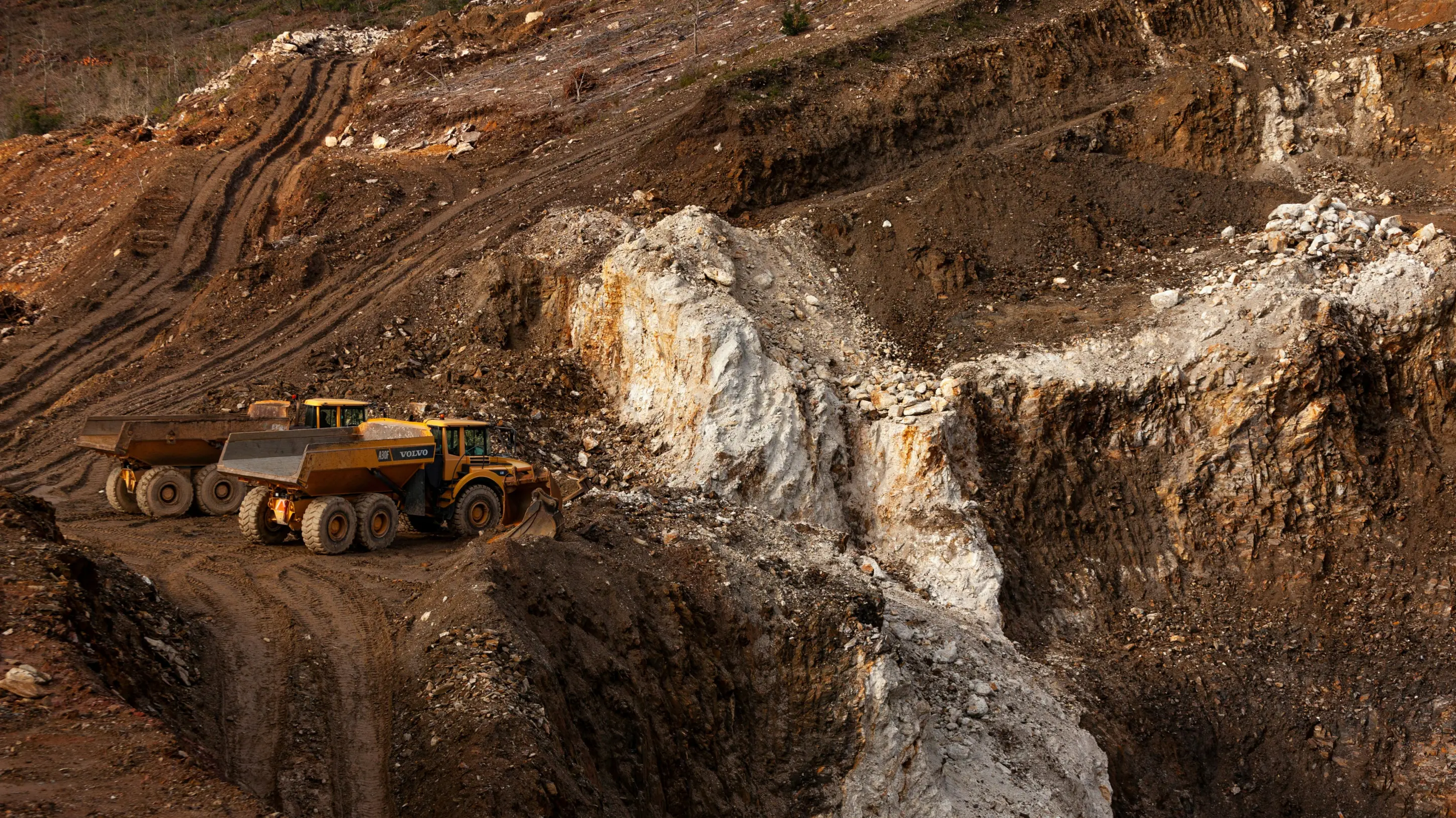
Why circularity is indispensable for minerals security
-
The water footprints of the global minerals trade 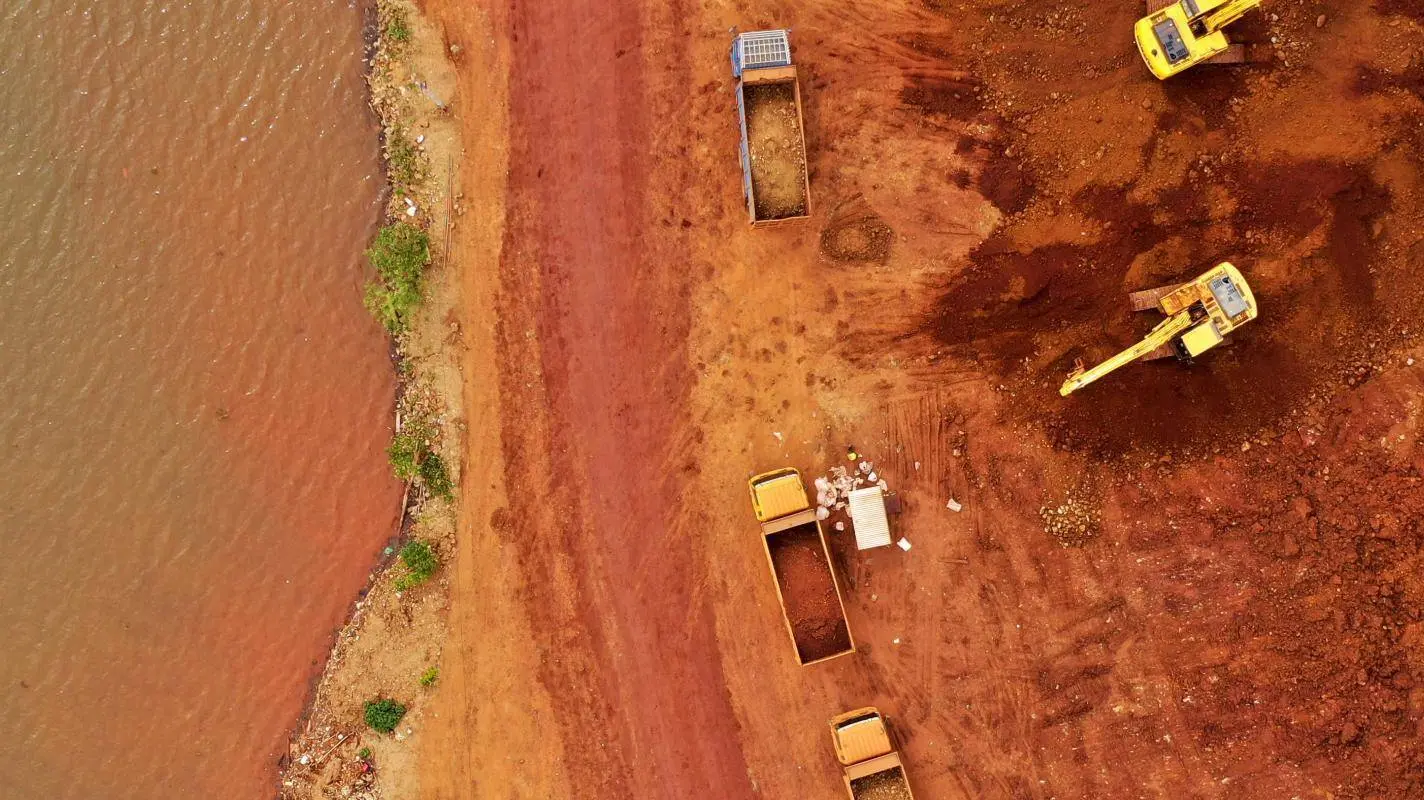
The water footprints of the global minerals trade
-
Episode 71: The geopolitics of deep-sea mining 
Episode 71: The geopolitics of deep-sea mining
-
Episode 51: The geopolitics of critical raw materials 
Episode 51: The geopolitics of critical raw materials
-
Episode 42: Beyond the Energy Transition
Episode 42: Beyond the Energy Transition
-
Episode 34: Mining, livelihoods and the environment
Episode 34: Mining, livelihoods and the environment
-
Cobalt refining power gives China an advantage in the race for EV battery dominance 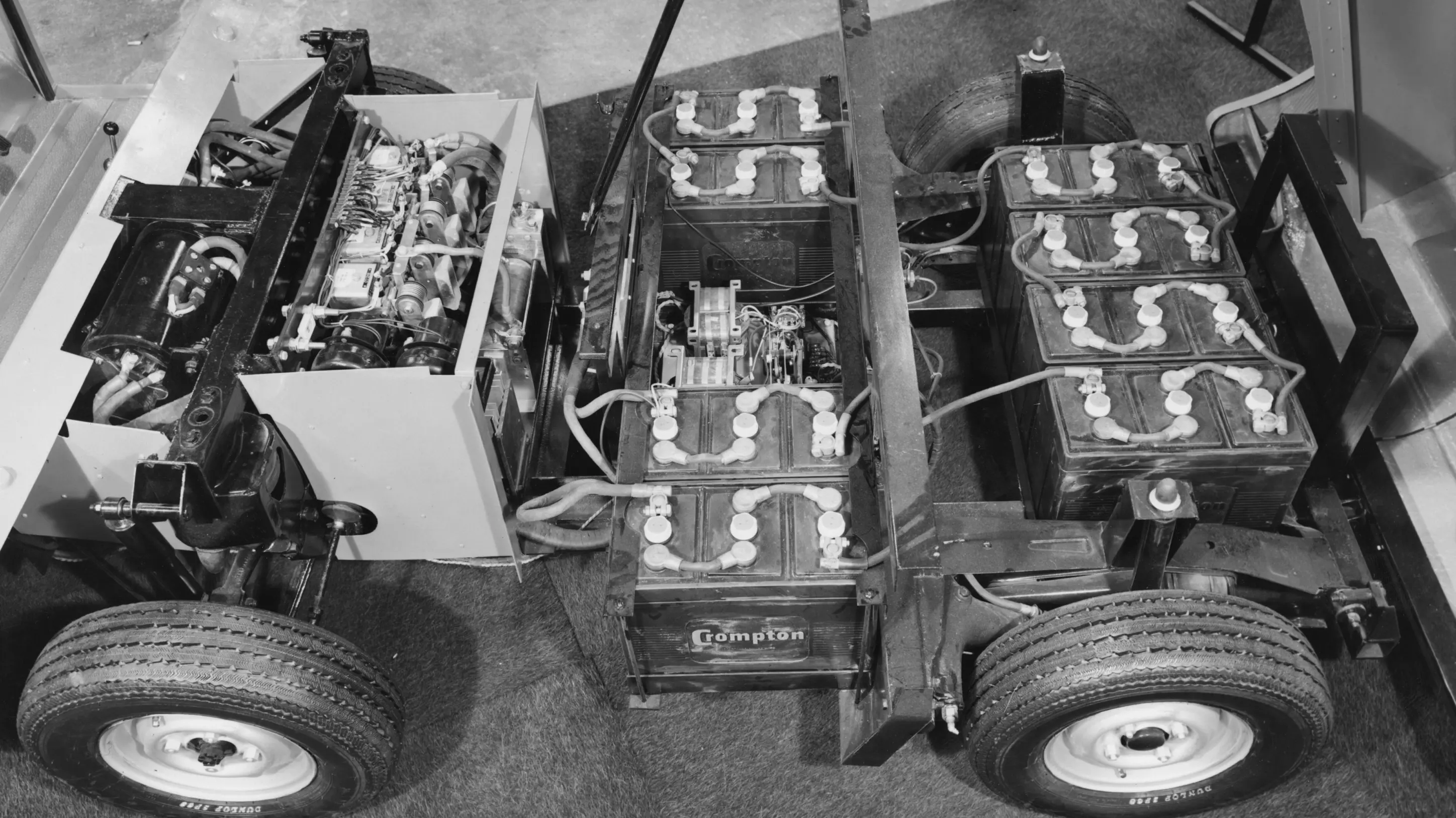
Cobalt refining power gives China an advantage in the race for EV battery dominance
-
Mining’s Impacts on Forests 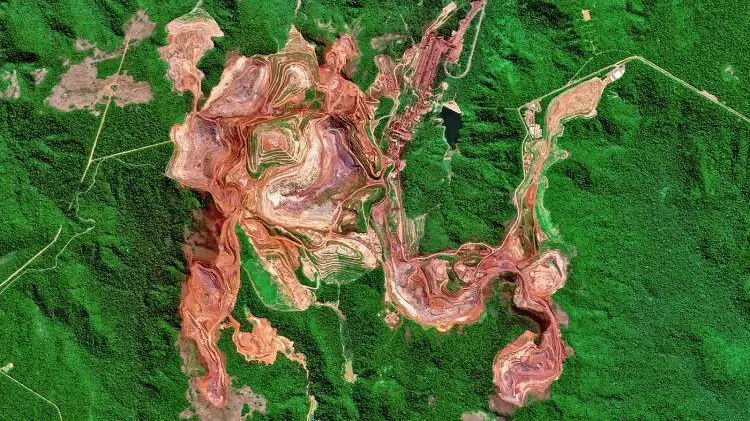
Mining’s Impacts on Forests
-
Trade restrictions on metals and minerals 
Trade restrictions on metals and minerals