Land
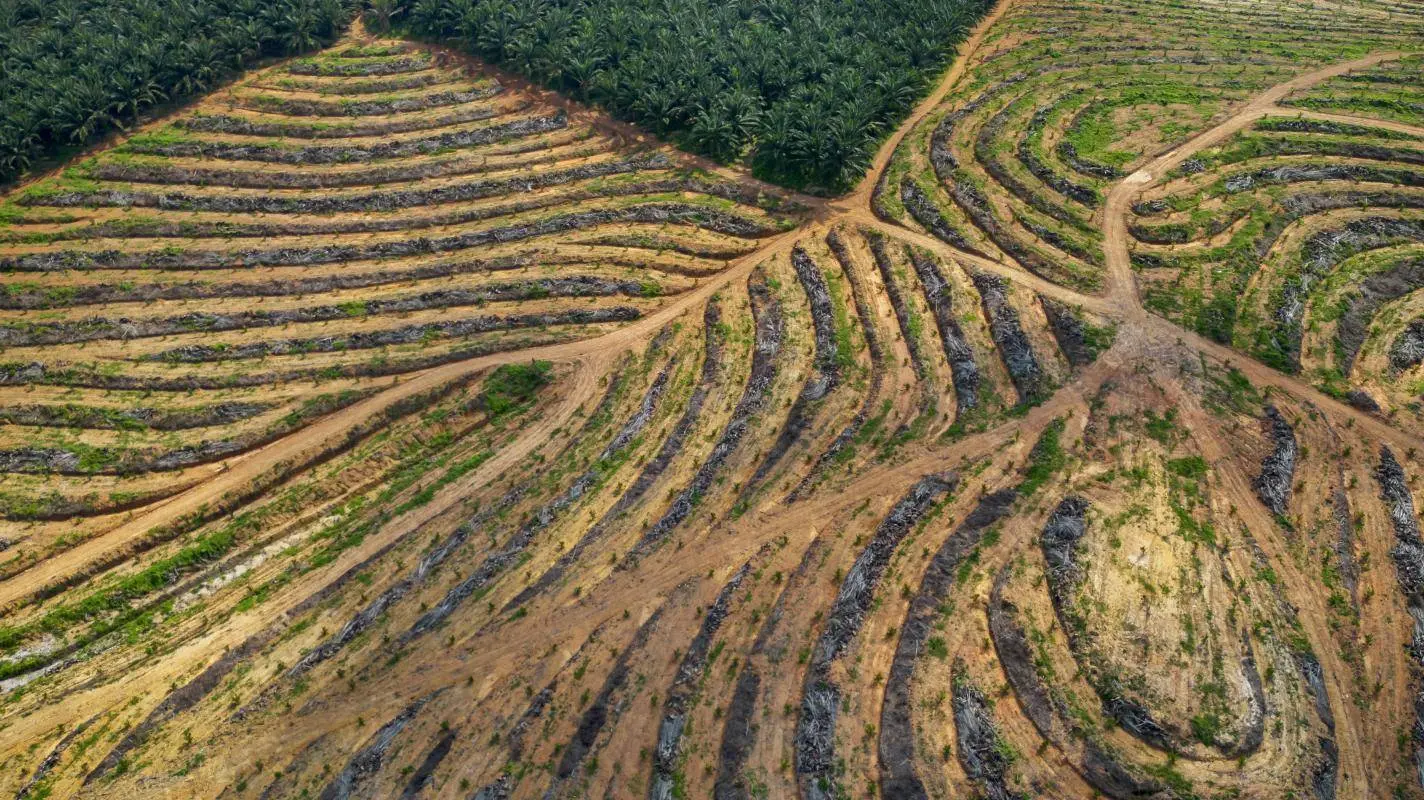
Pressures around land use are emerging as one of the defining environmental challenges of modern times as competition for productive and ecologically valuable land intensifies.

Land is unlike other resources. While modern societies depend on energy and materials and we cannot exist without food and fresh water, these resources are all provided by, or require access to, land. No less vitally, land performs many wider roles. It regulates the environment at local and global scales, shaping weather patterns and moderating the carbon and nitrogen cycles; it provides habitats for millions of species, space for human settlement and natural infrastructure such as floodplains that protect against natural disasters. The multifunctionality of land gives it a strategic importance beyond its direct provisioning role. And possession of land can be used to exert power and influence over others. These characteristics make land critical to economic development and geopolitics.
While some resources, such as fossil fuels and minerals, are obviously exhaustible, and others, such as timber and fresh water, are renewable, land is more complex. Land can clearly be put to different uses, but there are limits to its abundance. The quantity of land is, broadly speaking, finite. A certain tract of land can only yield so much food, sequester so much carbon or support so much biodiversity. Moreover, a tract of land’s potential or capacity is not constant – it can be exhausted or renewed. Human use and environmental change may degrade land, diminishing its productivity and limiting the extent and range of resources and services it can supply. In some cases, land can be restored, but because processes of restoration typically take much longer than processes of degradation, land cannot be considered a renewable resource.
Rising human land use, alongside climate change, is driving environmental degradation on a global scale. Agricultural expansion, deforestation, urbanization and desertification are diminishing and fragmenting natural or semi-natural landscapes, and threatening biodiversity. Inequalities and tensions will increase if competition between land uses, and land users, is not addressed by policies that acknowledge national constraints without surrendering the ambition to reduce global resource use.
Related insights
-
The problem with biofuels as a response to the Gulf energy supply shock
-
Episode 53: How to transform food systems 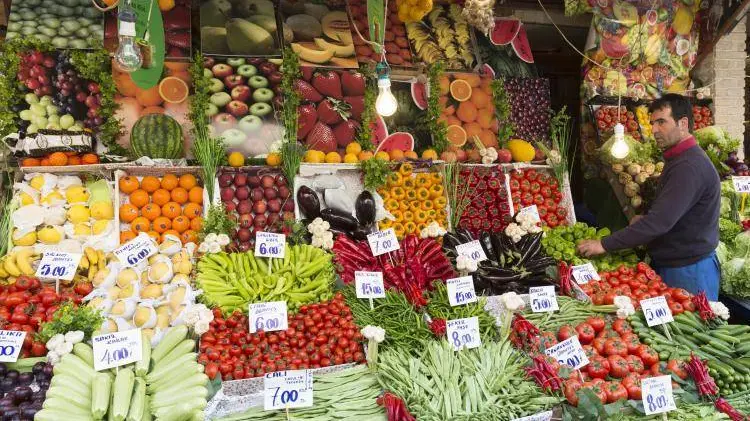
Episode 53: How to transform food systems
-
Episode 38: Climate politics and geopolitics: what happened at COP28? 
Episode 38: Climate politics and geopolitics: what happened at COP28?
-
Episode 37: What to watch at COP28
Episode 37: What to watch at COP28
-
The emerging global crisis of land use 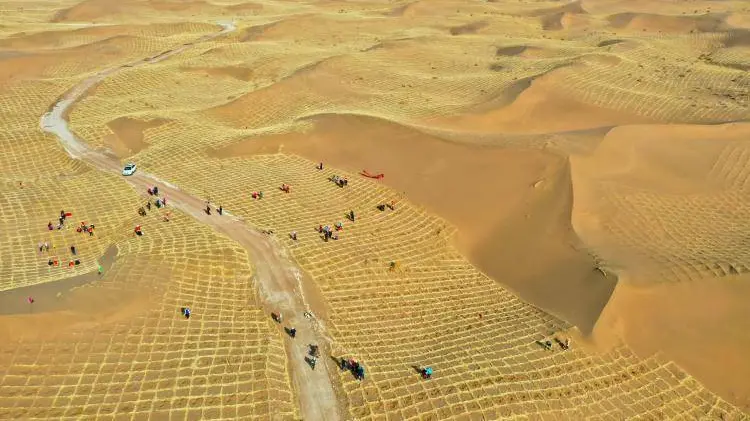
The emerging global crisis of land use
-
Episode 35: Indigenous Peoples, Rights and Representation in Climate Action
Episode 35: Indigenous Peoples, Rights and Representation in Climate Action
-
Episode 34: Mining, livelihoods and the environment
Episode 34: Mining, livelihoods and the environment
-
How forest bioeconomies can support nature-based solutions 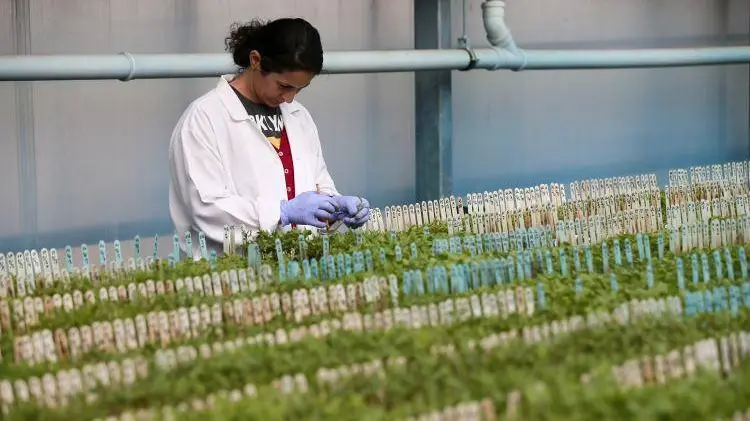
How forest bioeconomies can support nature-based solutions
-
Why burning biomass is not zero-carbon 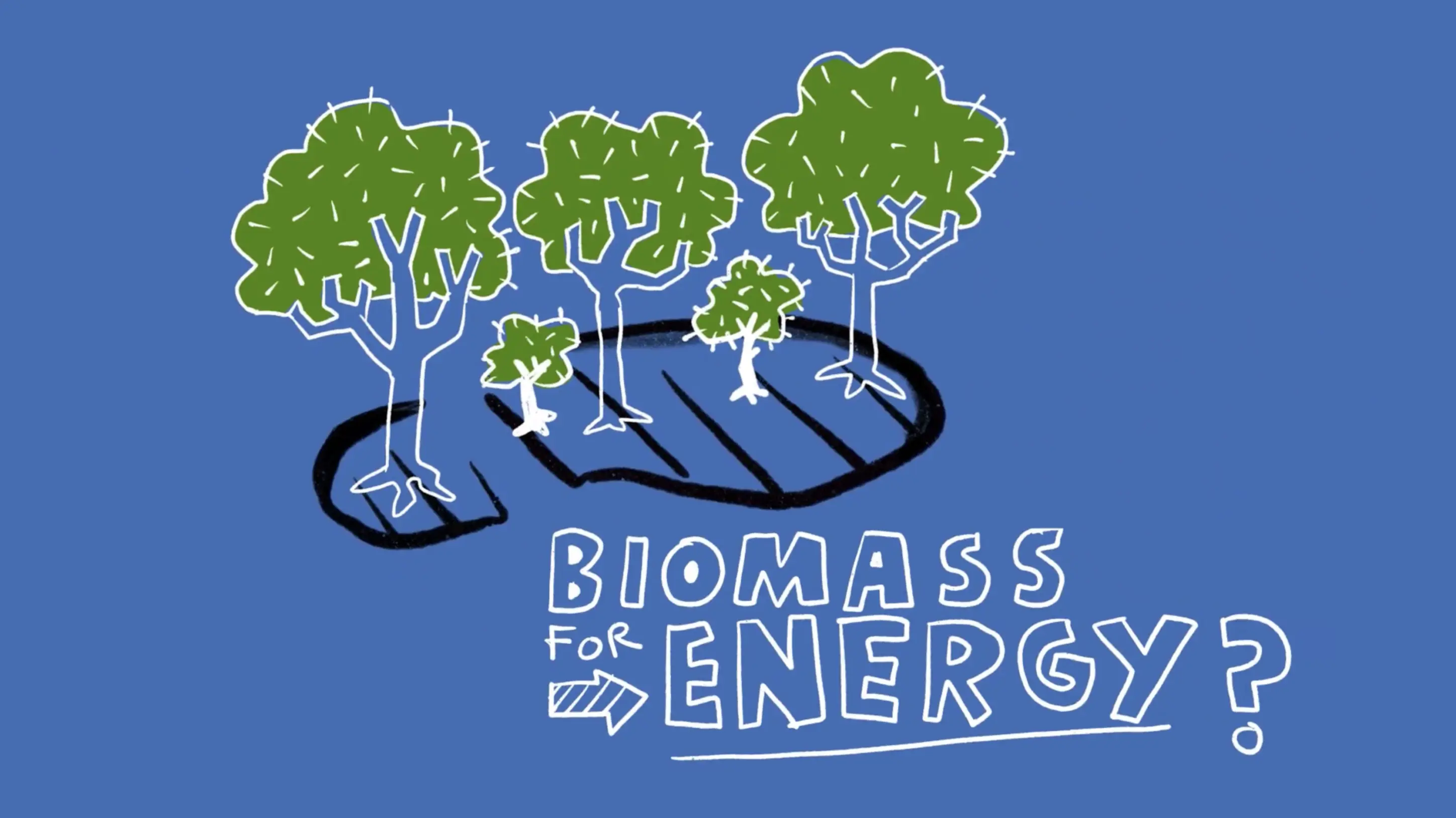
Why burning biomass is not zero-carbon
-
Forest sector revenues in Ghana, Liberia and the Republic of the Congo 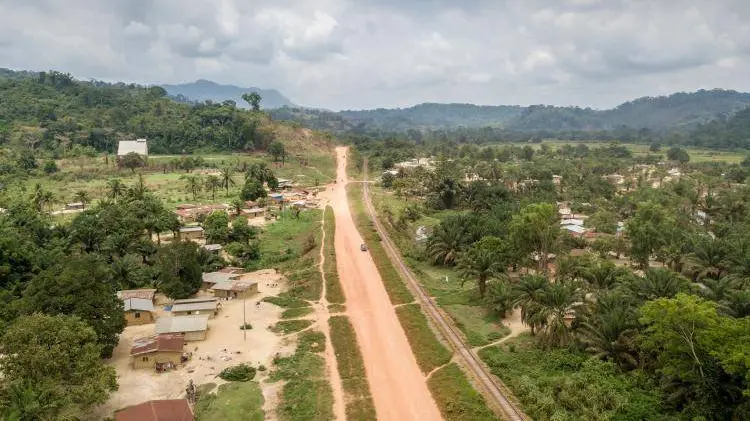
Forest sector revenues in Ghana, Liberia and the Republic of the Congo